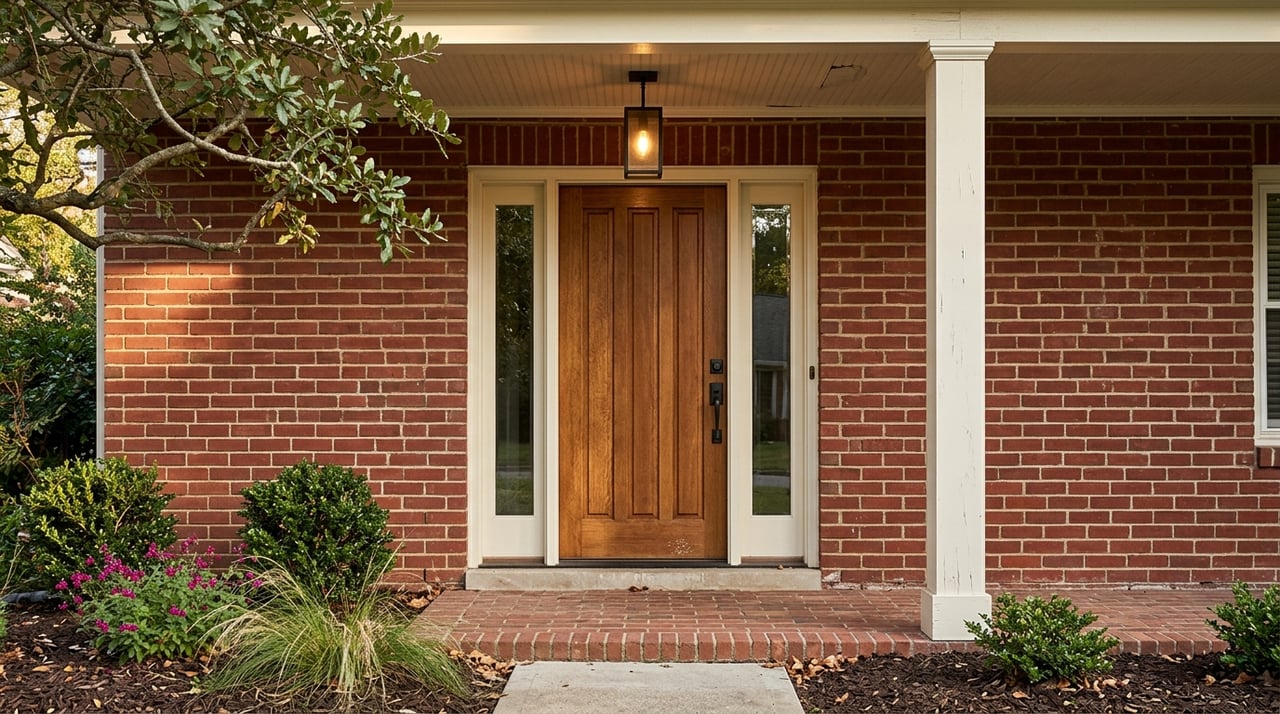
Buying An Older Home In Alamo Heights The Smart Way
July 9, 2026
July 9, 2026
Wondering if that charming older home in Alamo Heights is a dream buy or a future project list? You are not alone. Many buyers love the architecture, mature trees, and established feel here, but older homes can come with more moving parts than a newer property. This guide will help you look past the charm, ask better questions, and buy with more confidence. Let’s dive in.
Older homes are part of what gives Alamo Heights its identity. The city’s history dates back to the 1890s, and homes were already being built here by 1908. The city also describes Alamo Heights as a place shaped by varied architectural styles, scenic vistas, and mature trees.
That character is a major draw, but it also comes with responsibilities. The city’s zoning code is designed in part to preserve places and areas of historical and cultural importance. For you as a buyer, that means an older home is not just about style. It is also about condition, maintenance, and how the property fits local rules.
It is easy to focus on original floors, detailed trim, and curb appeal. Those features matter, but they should not distract you from the systems behind the walls and beneath the house. In Alamo Heights, older homes often need a more careful review before you make an offer.
A smart purchase starts with the idea that charm and compliance go together. You want to know how the home has aged, what work has been done, and whether future updates may require extra time, permits, or review. That mindset can help you avoid expensive surprises later.
In Texas, licensed inspectors must give a written opinion on a foundation’s performance. That makes the foundation one of the most important parts of your due diligence. If you notice cracks, uneven floors, doors that stick, or signs of prior repair, slow down and dig deeper.
In Alamo Heights, engineered designs are required for new foundations and for repairs that substantially alter the existing foundation system. That raises the stakes on homes with past settlement or major repair work. If concerns show up during the general inspection, bringing in a structural engineer is often the next smart step.
Plumbing is another big issue in older homes. Texas inspectors visually review accessible plumbing components and report visible deficiencies in water supply, wastewater, and vent piping. That gives you a baseline, but it does not answer every question in an older system.
Older plumbing can show signs of corrosion, including blue-green staining, pinhole leaks, or metallic-tasting water. Texas A&M AgriLife notes that copper and lead can leach into tap water because of corrosion. If sewer problems are suspected, a hydrostatic test must be performed by a licensed plumber, according to TREC.
Older homes often have a mix of original features and later upgrades. That can be fine, but only if those updates were done properly. In Alamo Heights, the city has adopted the 2021 I-Code Series and the 2020 National Electrical Code, and many types of work require separate trade permits.
That matters because older work may have been completed under different standards, or work may have been done without city review. Ask for permit history when possible, especially for roofing, HVAC, electrical, plumbing, gas, sewer, irrigation, landscaping, and tree-related work. If you plan to renovate after closing, this history can affect your timeline and budget.
If you are buying a home built before 1978, lead-based paint should be part of your planning. Older homes are more likely to contain it, and the likelihood is especially high in homes built before 1940. Federal disclosure rules give buyers of most pre-1978 homes the right to receive lead information and a 10-day period to conduct a paint inspection or risk assessment.
This does not mean you should avoid an older home. It means you should understand the risk and budget responsibly if you plan to disturb painted surfaces during updates. EPA also recommends lead-safe certified contractors for renovation work that may affect painted areas.
In Alamo Heights, the lot matters almost as much as the house. The city’s permit checklist asks whether a project is in the 100-year floodplain and whether tree removal is involved. It also requires photos and arborist documentation when larger trees or heritage trees are affected.
That can shape what you are able to do with additions, pools, driveways, or major exterior changes. If you are buying with renovation plans in mind, study the site early. A beautiful lot with mature trees may also come with limits that affect design, cost, and timing.
Permits in Alamo Heights are handled through the city’s My Government Online system, and a completed signed application is still required with each submission. For residential projects, plan review may take 10 to 21 business days. That is important if you are hoping to move in quickly and renovate right away.
The city also requires contractors working within city limits to register and provide insurance and licensing information. If you are comparing renovation bids after closing, make sure you are working with properly registered professionals. This can save you time and help prevent avoidable delays.
Some buyers assume they can purchase an older home and make large exterior changes without much added process. In Alamo Heights, that can be a costly assumption. Larger exterior remodels and tear-down or rebuild projects may go through the city’s Demolition Review process.
The Architectural Review Board first considers the existing structure’s architectural or historical significance and then reviews whether the proposed renovation or replacement is compatible. This process takes about 30 days, not including plan review. Projects that remove or encapsulate more than 25% of street-facing framed exterior walls, or more than 50% of all exterior walls and roofs, can trigger this review.
Applications must be complete and are generally due at least 15 calendar days before the meeting date. The board meets on the third Tuesday of the month, and cases then go to City Council for final approval. For you, that means major remodel plans should be evaluated before you commit to the home, not after.
A general home inspection is the starting point, not always the finish line. For an older Alamo Heights home, the right inspection stack often includes more than one expert. This can help you make a stronger offer decision and negotiate from a clearer position.
A practical team may include:
TREC says wood-destroying insect reporting in Texas requires a state-licensed inspector. Some home inspectors hold that credential, but not all do. It is worth confirming before your option period begins.
When buyers think about renovations, they often focus on kitchens, bathrooms, and finishes. In an older home, the bigger costs may be less visible. Code upgrades, engineer reports, lead-safe preparation, permit time, and possible tree or demolition review can all affect the real budget.
Alamo Heights says code enforcement is meant to protect public health, safety, welfare, and property values, and it covers building regulations, minimum maintenance standards, and minimum property standards. That makes deferred maintenance more than a cosmetic issue. It can affect your use of the home now and your resale position later.
A smart renovation budget should include:
Not every older home needs the same offer strategy. A well-maintained property with clear permit history may justify a cleaner approach. A home with visible settlement, uncertain plumbing, or big renovation goals usually calls for more due diligence and a tighter review process.
This is where local market knowledge matters. You want to balance competitiveness with protection, especially in a high-demand area like Alamo Heights. A disciplined strategy can help you avoid overcommitting on a home that may need more money, time, or city review than you first expected.
The smartest buyers do not just fall in love with the house. They look at the whole picture, including the structure, systems, lot constraints, permit history, and future plans. That approach helps you protect both your lifestyle and your investment.
In Alamo Heights, older homes can be incredible opportunities. They can also reward buyers who take a measured, informed path. When you understand the home, the site, and the city process, you are in a much better position to buy well.
If you are considering an older home in Alamo Heights, the right guidance can help you spot red flags early, structure a stronger offer, and plan your next steps with confidence. Connect with Meghan Pelley for local insight and high-touch guidance tailored to your move.
Stay up to date on the latest real estate trends.

Lifestyle
From splash pads and summer movies to Hill Country adventures, hidden gems, and Fourth of July celebrations, here's your guide to making the most of summer in San Anto… Read more
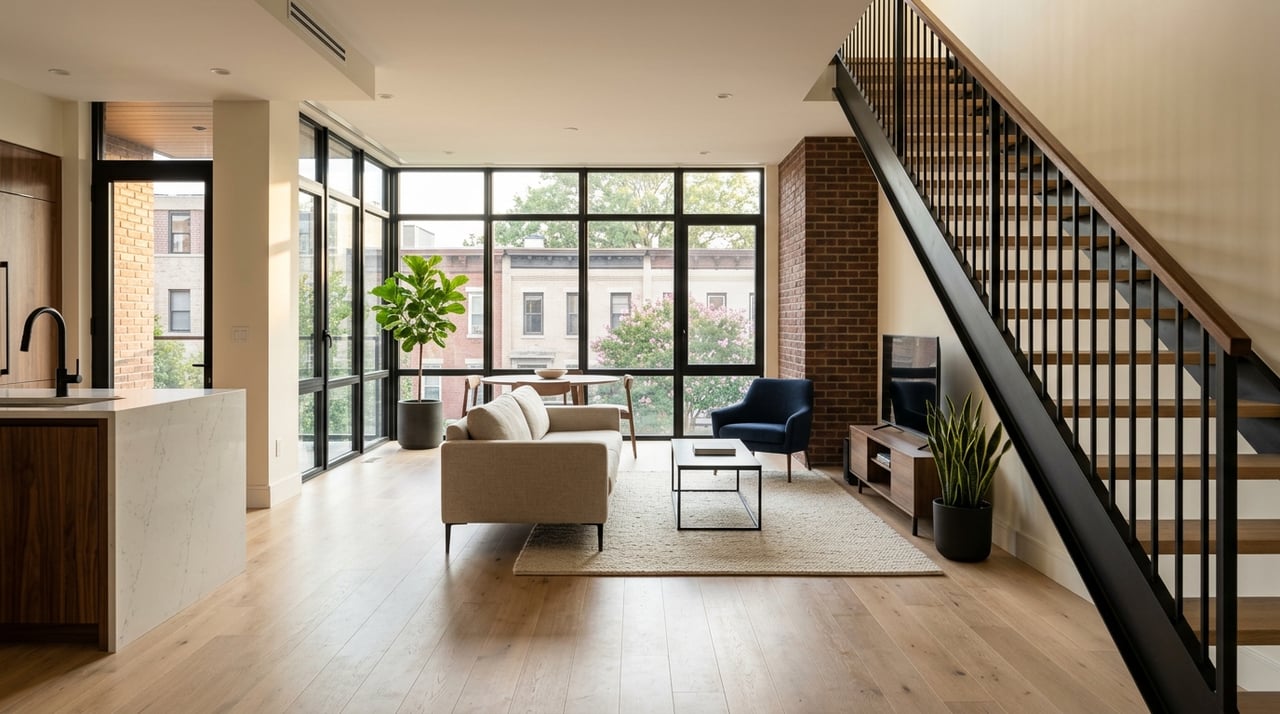
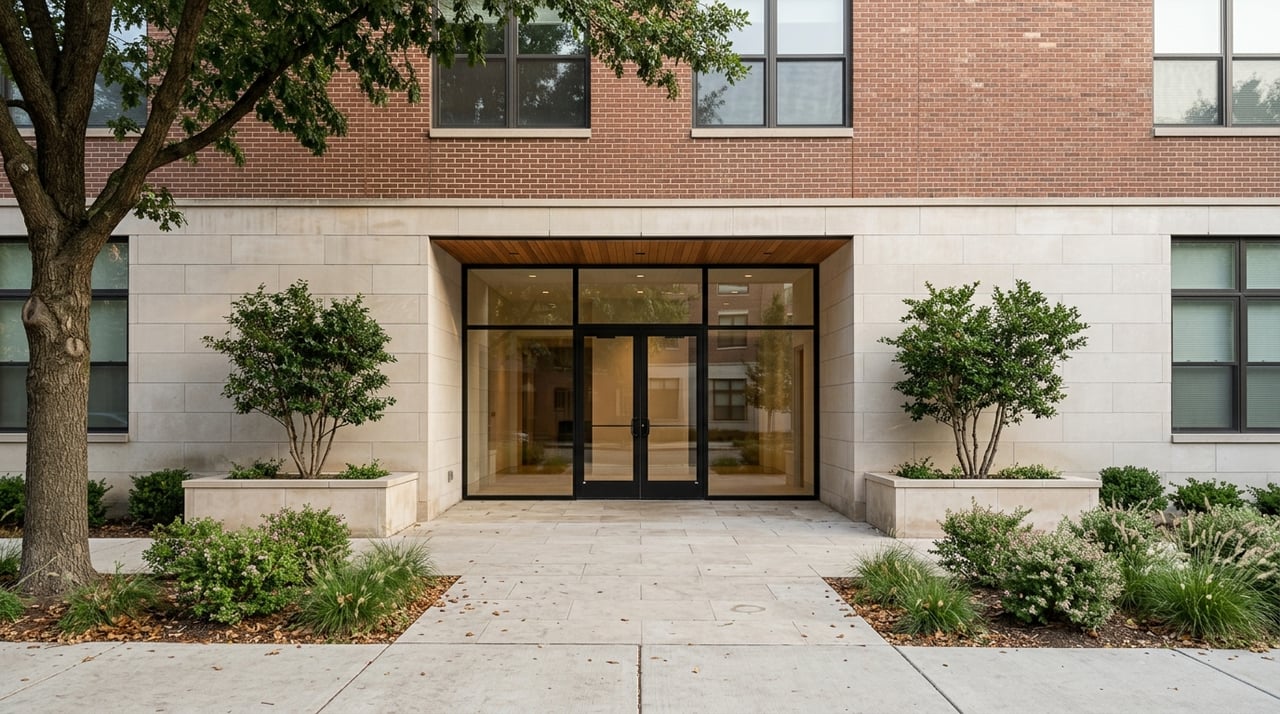
Downtown condo buyers are evaluating more than square footage. Learn how walkability, parking, views, HOA costs, and building amenities influence value and how to posi… Read more

Neighborhood Guides
Discover why Helotes has become one of the most desirable communities in the San Antonio area, offering Hill Country beauty, top-rated schools, strong home values, and… Read more
Real Estate
Meghan Pelley Realty Team are dedicated to helping you find your dream home and assisting with any selling needs you may have. Contact us today to start your home searching journey!