
Key Market Signals San Antonio Real Estate Investors Watch
April 30, 2026
April 30, 2026
If you invest in San Antonio, the big headline numbers only tell part of the story. A market can look soft at first glance, yet still offer strong opportunities if you know which signals matter most. In this guide, you’ll see the four market indicators savvy investors are watching right now, how they connect, and why local interpretation matters more than ever. Let’s dive in.
San Antonio is no longer moving at the frantic pace many buyers and investors saw during the pandemic-era run-up. As of March 31, 2026, Zillow reported San Antonio home values at $249,810, down 2.7% year over year, with 7,450 active listings, a 98.0% median sale-to-list ratio, and 56 median days to pending. In the broader San Antonio-New Braunfels market, Zillow showed home values at $279,026, down 2.3% year over year, with 13,060 active listings, a 97.9% median sale-to-list ratio, and 62 median days to pending.
Those numbers point to a market that is slower and more negotiable than the recent peak, but not distressed. For you as an investor, that distinction matters. A cooler market can create better entry points, but only if you stay disciplined about underwriting, neighborhood selection, and exit strategy.
Inventory is one of the clearest signals investors should track because it helps you understand leverage and timing. According to the SABOR February 2026 MLS report, the San Antonio market had 5.51 months of inventory, up from 4.90 months in February 2025. That same report showed 15,081 active listings and 2,363 closed sales.
More inventory usually means you have more options and less pressure to make rushed decisions. In practical terms, that can create room to negotiate on price, repairs, or seller concessions. It also means sellers may need stronger pricing discipline if they want to compete.
SABOR’s 2025 market review added useful context by describing San Antonio as near balanced by Texas Real Estate Center standards at the end of 2025, with modest expansion projected in 2026 if borrowing costs ease. For investors, that is a reminder that this is a market where patience often beats speed.
Inventory tells you how crowded the field is, but market tempo tells you how deals are actually moving. SABOR reported 102 average days on market in February 2026, up from 83 days a year earlier. The same report found homes sold at 91.9% of original list price.
That combination matters because it suggests sellers are not getting full asking price as often, and homes are taking longer to move. For you, that can open the door to better negotiations, especially on listings that have been sitting longer than surrounding comparable properties.
Zillow’s city-level numbers show a somewhat firmer picture, with a 98.0% median sale-to-list ratio and 56 median days to pending for San Antonio. The broader metro was similar at 97.9% and 62 days. Taken together, these datasets suggest the same core message: the market is active, but buyers and investors have more leverage than they did when competition was at its peak.
When you evaluate a possible investment, look at these numbers side by side:
A property in a slower pocket of the market may offer stronger negotiation potential than citywide averages suggest.
A common investor mistake is assuming rent growth will cover a weak acquisition. Right now, San Antonio’s rental market suggests you should be cautious with that assumption.
Zillow’s San Antonio rent data showed average asking rent of $1,360 in March 2026, down 1.8% year over year. Zillow’s February 2026 rent report also noted that San Antonio rents were down 1.6% year over year, that the metro was among the large markets with the highest vacancy rates at the end of 2025, and that rental concessions remained common nationally.
That softer rental backdrop means rent growth is not doing as much heavy lifting for investors as it did in stronger years. If a deal only works because you are counting on quick rent increases, it may not be as durable as it looks on paper.
Mortgage rates also shape investor math. Freddie Mac reported the 30-year fixed mortgage rate averaged 6.30% on April 16, 2026. At that rate, using a 20% down payment on Zillow’s San Antonio median sale price of $273,167, principal and interest works out to about $1,353 per month, which is nearly equal to the city’s average asking rent of $1,360.
That is an important signal, but it is not the full story. Principal and interest may look close to market rent, yet ownership costs still include taxes, insurance, maintenance, vacancy, HOA dues where applicable, and your expected hold period. A deal that appears balanced on a simple payment comparison can still underperform once full carrying costs are included.
In today’s market, conservative assumptions are a strength, not a limitation.
One of the most important market signals in San Antonio is that not all neighborhoods are moving the same way. Citywide averages can hide major differences in value trends, pricing power, and likely exit conditions.
At the higher end, Zillow neighborhood data showed The Dominion at $1,048,799, up 3.1% year over year, and Terrell Hills at $883,660, up 3.5%. Stone Oak was $440,750, down 0.9%, while Terrell Heights was $343,117, down 1.9%.
More affordable and central areas looked softer. Zillow showed Woodlawn Lake at $165,815, down 3.3% year over year. Jefferson-Monticello Park was $305,279, down 7.6%, and Jefferson-Woodlawn Lake was $226,324, also down 7.6%.
For investors, this spread is a key takeaway. A citywide cooling trend does not mean every submarket presents the same risk or opportunity.
The most effective investors avoid relying on a single metric. Instead, they watch four market signals together and let each one sharpen the others.
Inventory helps you judge supply and leverage. Rising supply often means more choices and less urgency.
Days on market help you spot where momentum is slowing. Longer timelines can give you room to negotiate, but they can also signal weaker demand in that submarket.
Rent trends help you test cash flow assumptions. If rents are soft or vacancy is elevated, you need a stronger basis and more conservative projections.
Neighborhood-level value changes help you understand where prices are holding up and where exits may be harder. This can shape whether a property fits a short-term, medium-term, or longer hold strategy.
In today’s San Antonio market, savvy investing is less about chasing momentum and more about protecting margin. More inventory, slower market tempo, and softer rents can work in your favor if you buy well and stay realistic about operating costs.
This is also the kind of market where local interpretation creates real value. Broad data can tell you what the market is doing overall, but property-level decisions require neighborhood context, pricing discipline, and strong negotiation. If you want help evaluating opportunities with a data-led, local lens, connect with Meghan Pelley for strategic guidance tailored to your investment goals.
Stay up to date on the latest real estate trends.
Real Estate

Lifestyle
We asked moms of all kinds what they really want for Mother’s Day and the answers were refreshingly honest, practical, and surprisingly universal.


Lifestyle
AI can make life easier, faster, and more efficient but it can never replace human connection, judgment, expertise, or responsibility.


Lifestyle
A look at the 130 year tradition that turns San Antonio into one of the most vibrant cities in the country each spring and why Fiesta is about much more than just a pa… Read more
Real Estate
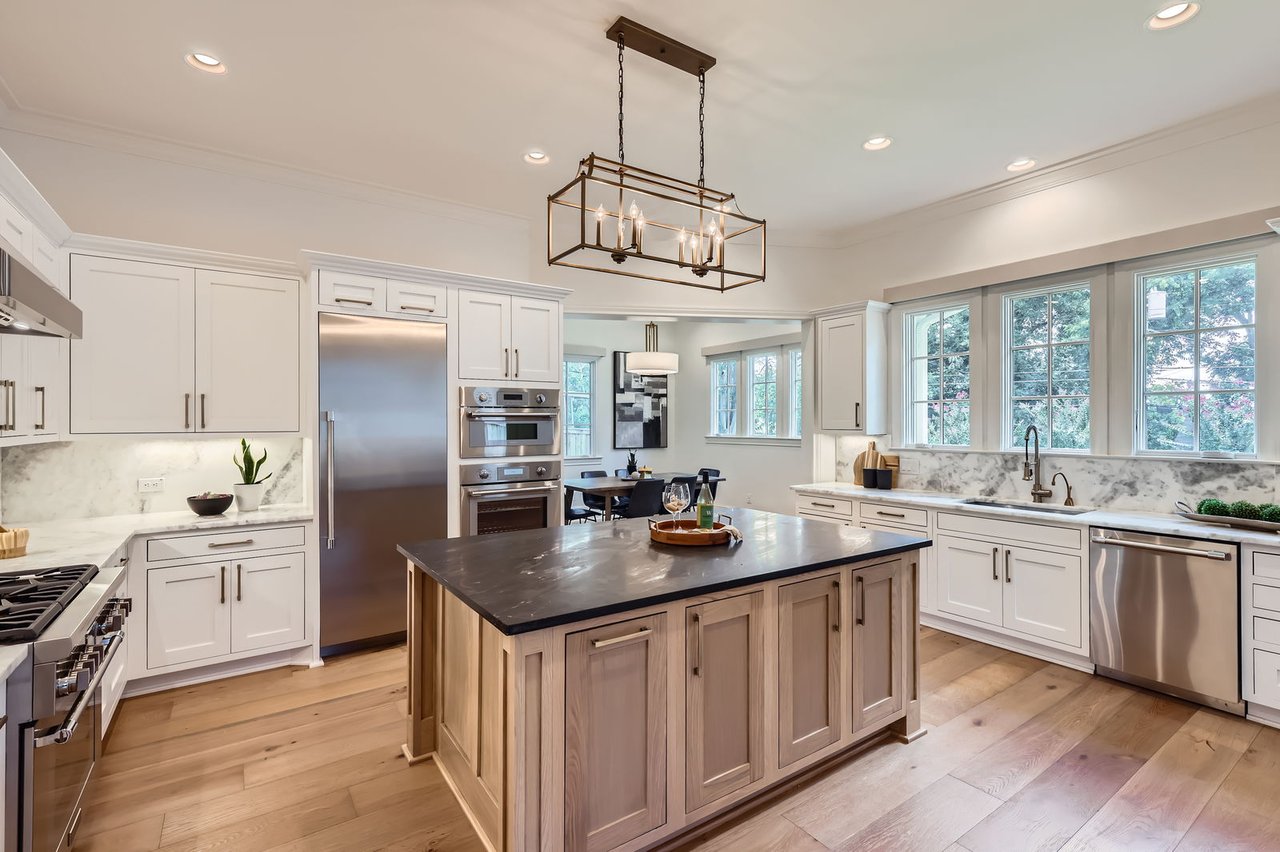
A practical guide to preparing your Alamo Heights home for sale, from Texas disclosures and pricing strategy to the upgrades that protect your value and attract seriou… Read more
Meghan Pelley Realty Team are dedicated to helping you find your dream home and assisting with any selling needs you may have. Contact us today to start your home searching journey!