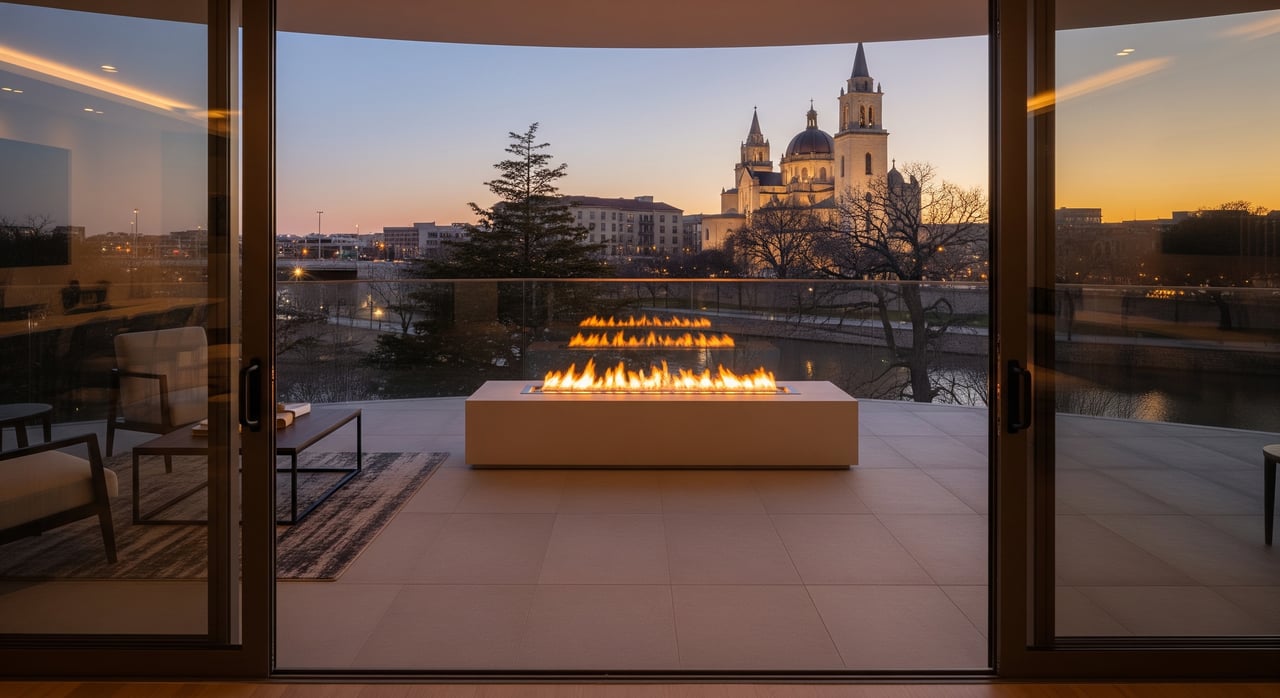
What It’s Like To Live In Downtown San Antonio
Meghan Pelley February 4, 2026
Meghan Pelley February 4, 2026
Thinking about trading long commutes for riverside walks and nights at the theatre? If you love culture, food, and convenience, Downtown San Antonio can fit your lifestyle. You want a clear picture of daily life before you decide where to live. This guide breaks down housing options, how you’ll get around, what your budget should include, and the tradeoffs to expect. Let’s dive in.
Downtown San Antonio is the city’s civic and cultural heart. It includes the Central Business District, the River Walk and Museum Reach, La Villita, Hemisfair, and adjacent historic pockets like King William. Parts of Southtown and the Pearl District just north also tie into the downtown lifestyle.
You’ll see a mix of heritage buildings, renovated warehouses and lofts, midcentury structures, and newer mixed-use developments. Tourist corridors sit next to quieter residential blocks, which creates a lively, street-by-street feel. Many residents choose downtown for walkability, culture, and short commutes to central jobs.
If you want character and history, look to the King William Historic District and parts of Southtown. You’ll find Victorian and Queen Anne homes, plus bungalows and townhomes. Lots tend to be smaller, and off-street parking can be limited, so factor that into your daily routine.
Former commercial and warehouse buildings have been converted into condos and lofts. Expect open plans and exposed materials like brick and steel. These buildings often deliver a true urban vibe with walkable access to dining and arts.
Purpose-built low- and mid-rise apartments attract professionals, students, and empty-nesters. A few newer mixed-use and luxury towers add on-site amenities like gyms, concierge, and rooftop decks. If you value convenience and building services, these communities can be a strong fit.
Tourist demand influences some buildings near the River Walk and entertainment areas. Short-term rentals are more common there and can affect building policies, noise levels, and parking. Review HOA rules and building policies before you commit.
The downtown core is highly walkable. Restaurants, bars, performing arts, and services cluster along the River Walk and nearby streets. You’ll find local markets, specialty grocers, and small shops in Southtown and near the Pearl. For big weekly groceries, some residents take a short drive or transit ride to a larger store.
VIA Metropolitan Transit runs frequent routes into the core, including high-ridership corridors served by VIA Primo. Downtown circulators sometimes operate during major events. If you plan to use transit, check current route maps and schedules for the stops nearest your address.
Dedicated bike lanes exist on several corridors and you’ll see racks at many destinations. The River Walk and Museum Reach offer scenic multi-use paths for walking and biking. For daily bike commutes, evaluate your door-to-door route for comfort and safety.
Driving is straightforward for cross-city trips, but parking downtown is managed and often limited. Options range from metered street parking to private garages and assigned residential spaces. Many buildings include parking for an added monthly fee. Event nights like festivals or big games can crowd garages and streets, so plan ahead.
Downtown is where San Antonio gathers. You have access to the River Walk, The Alamo at the edge of the core, Tobin Center for the Performing Arts, the Majestic Theatre, and San Fernando Cathedral. Museum Reach adds public art and riverfront spaces. The dining scene spans Tex-Mex classics, farm-to-table, fine dining, and casual bars along distinct corridors.
Festivals and events shape the calendar. Parades, holiday lighting at San Fernando Cathedral, cultural festivals like Fiesta, and San Antonio Stock Show & Rodeo events nearby bring energy, crowds, and occasional street closures. It is part of the charm, and part of daily logistics.
You will use the river as your park. The River Walk and Museum Reach give you miles of trails for walks, runs, and scenic time outside. Hemisfair offers playgrounds and open space for meetups and downtime. You’ll also find smaller pocket parks and plazas tucked among residential blocks. For larger green spaces and regional hiking areas, plan a short drive out of the core.
Pricing changes with new apartment deliveries, condo conversions, and seasonal demand. Before you decide, review live market data for your specific building or block. A local Realtor can pull recent sold prices, current inventory, and rental ranges so you can craft a realistic plan.
For buyers, budget for more than just your mortgage:
For renters, look beyond base rent:
One-bedroom apartments in prime blocks usually cost more than many city neighborhoods because of location and amenities. If you are price-sensitive, consider buildings a few blocks off the busiest corridors and compare what utilities and parking include.
Energy and nightlife are part of downtown living. Expect more evening foot traffic and weekend noise near entertainment nodes. If you prefer quieter nights, target buildings set back from the busiest streets or with strong sound insulation.
Crime patterns vary by block and time of day. Review local crime maps and talk with neighborhood associations for current context. Building-level security features like controlled access, cameras, and staffed lobbies can add peace of mind.
The river is a highlight, but proximity can bring localized flood risk or special building codes. Check FEMA flood maps and city floodplain information for any address near the river, and obtain insurance quotes early in your process.
Districts such as King William and La Villita use preservation guidelines. If you plan to renovate, expect architectural review, permit timelines, and potential added costs. Factor design approvals into your project schedule.
Assigned parking is common and may carry a monthly fee. If you are used to a suburban driveway, plan for move-ins, large deliveries, and rideshare pickups on narrower streets with posted restrictions.
Public school options within the immediate core are more limited. Families should check school boundary maps, magnet programs, and nearby options. Private schools and childcare centers exist in and near downtown but may require earlier planning than in some suburban areas. Healthcare access is strong in central San Antonio, with clinics and major facilities a short drive away.
Choose downtown if you want culture on your doorstep, short walks to dining and entertainment, and faster commutes to central jobs. You trade large yards for plazas and parks, and quiet cul-de-sacs for active streets. For many residents, the trade is worth it: more time enjoying the city and less time in the car.
Use this quick checklist to compare addresses:
If downtown living sounds right, get address-level facts before you act. Compare HOA dues, parking costs, flood status, and recent sales or rent ranges for the exact building you want. A focused plan saves time and money.
Ready to explore listings or zero in on the right block? Connect with a local advisor who knows these streets and how to negotiate value. Reach out to Meghan Pelley for tailored guidance on downtown condos, lofts, historic homes, and rentals.
Stay up to date on the latest real estate trends.
Real Estate
Why today’s real estate market feels different — and what that really means for buyers and sellers.
Real Estate
Why consistent effort and questioning assumptions matter more than natural ability — in real estate and in life.

Real Estate
A realistic, data-backed look at housing, rates, and the economy in 2026—and how smart buyers and sellers can position themselves ahead of the curve.
Why real change starts with intention — not a resolution
Meghan Pelley Realty Team are dedicated to helping you find your dream home and assisting with any selling needs you may have. Contact us today to start your home searching journey!